Your overall health and the state of your teeth are both affected by and cause…
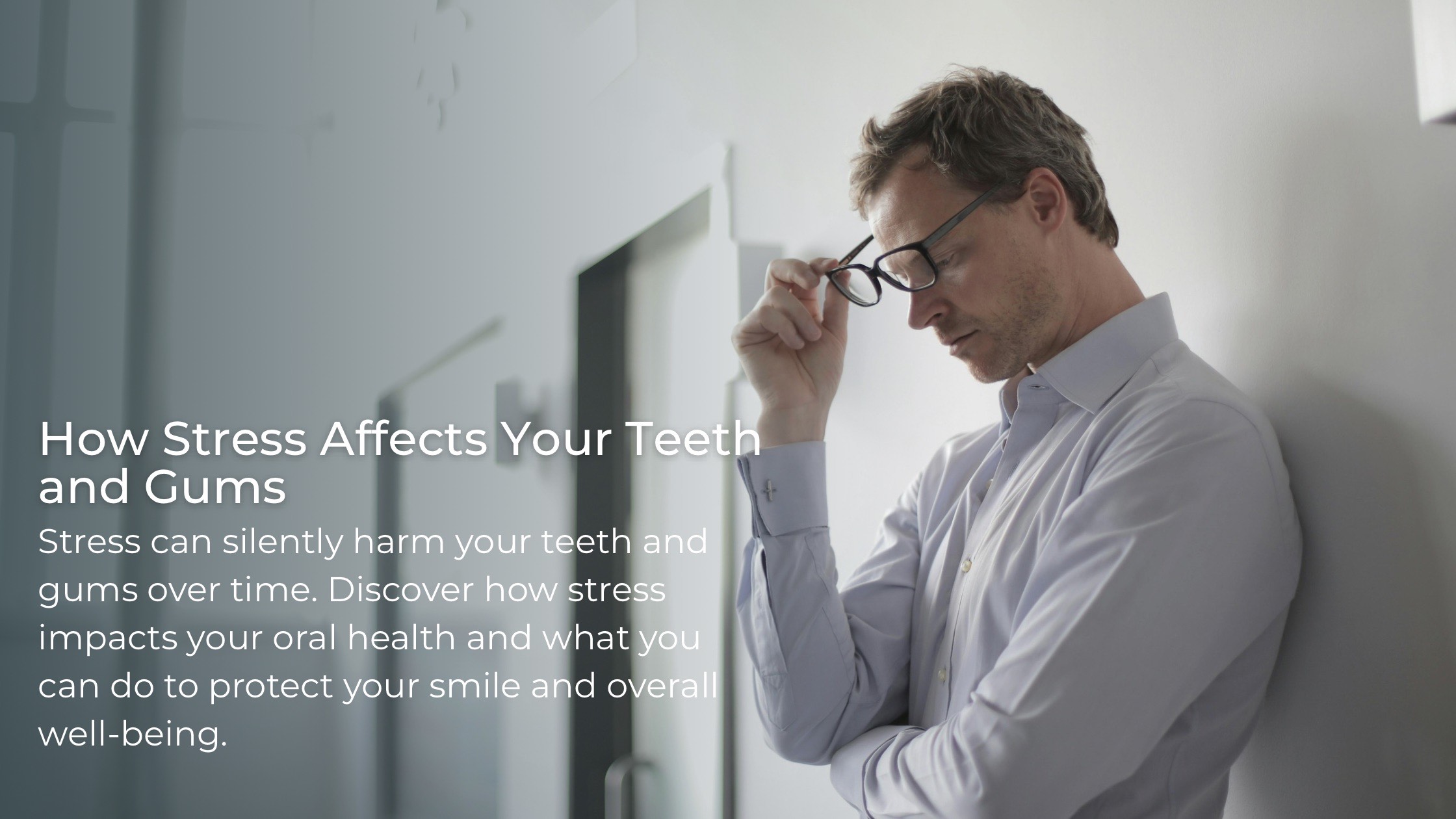
Most people understand how stress can influence their overall health, but few are aware of the impact it can have on their oral health. Chronic stress can gradually damage your teeth and gums, causing everything from jaw pain to gum disease if not managed properly. Understanding this relationship can help you safeguard your dental health and your smile during difficult times.
1. Stress and Teeth (Bruxism)
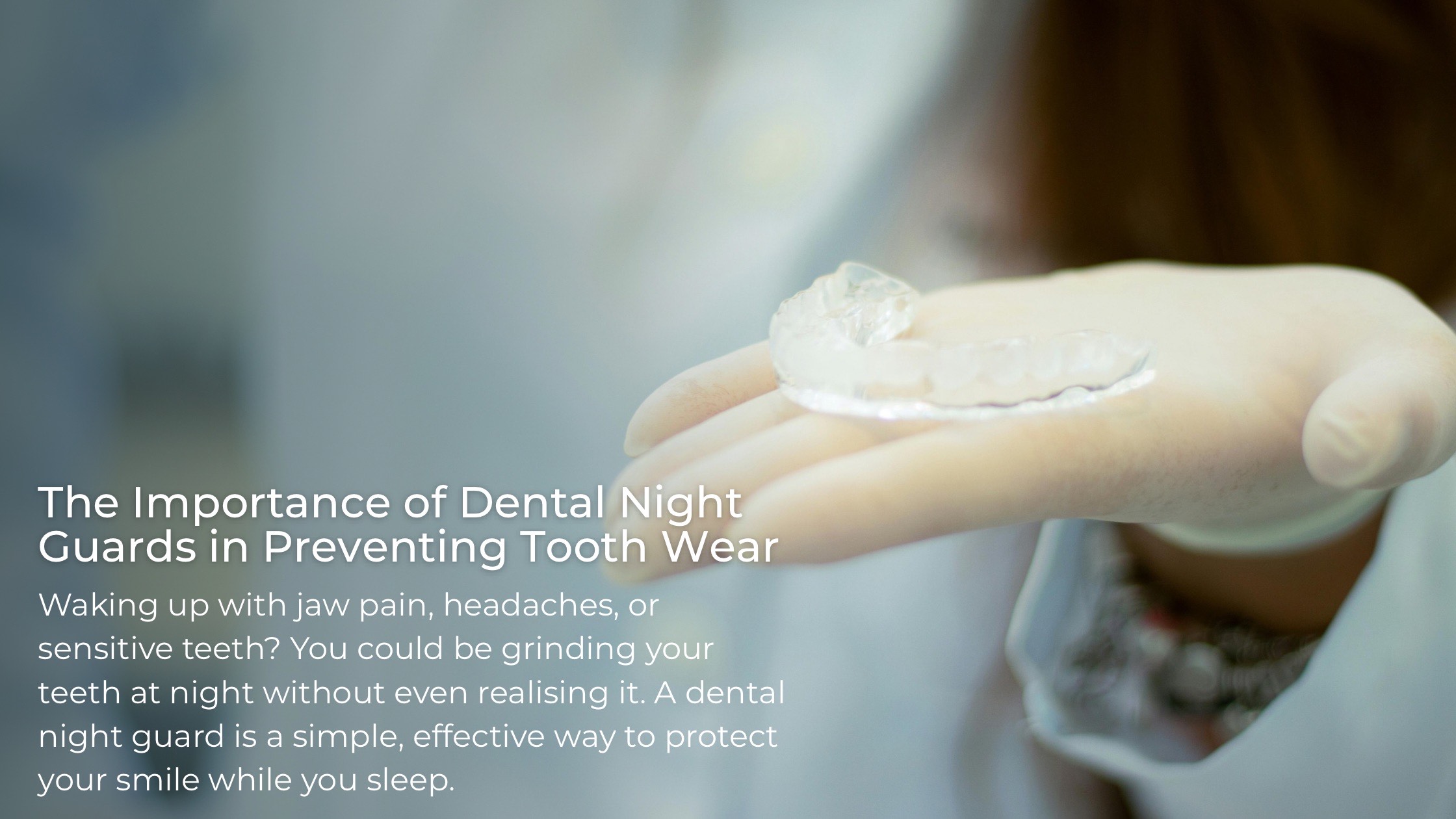
When stressed, many people involuntarily clench or grind their teeth, especially when sleeping. This disorder, known as bruxism, can wear away tooth enamel, resulting in tooth sensitivity, jaw pain, and headache. In severe circumstances, persistent grinding might result in fractured teeth or temporomandibular joint (TMJ) issues. If you wake up with aching jaw muscles or detect flattened tooth surfaces, consult your dentist. A personalized night guard can help avoid future injury and alleviate discomfort.
2. Weakened Immune System and Gum Disease
Chronic stress impairs the immune system, making it difficult to fight infections, particularly those in gums. This can increase the risk of gingivitis and periodontitis, which cause inflammation, bleeding gums, and eventually tooth loss if untreated. According to research, people who are stressed for n extended period of time are more likely to develop gum problems, even if they brush and floss regularly.
3. Dry Mouth and Cavities
Stress, hormonal changes, and certain medications used to treat anxiety, or depression can all reduce saliva production. Saliva helps to wash away food particles and neutralize acids that cause tooth decay. When mouth is dry, bacteria multiply more quickly, increasing the risk of cavities, foul breath, and mouth sores.
4. Neglecting Oral Hygiene
Self-care is sometimes overlooked during difficult times. Skipping brushing, flossing, or delaying dental check-ups may appear harmless at first, but it permits plaque and bacteria build up quickly. Over time, this carelessness can result in gum inflammation, decay, and other preventable dental problems.
5. How to Protect Your Smile During Stress
Stress management is essential for both mental and dental wellness. Here are few suggestions to help:
- Use relaxation techniques like deep breathing, yoga, or meditation.
- Exercise regularly to reduce tension and improve mood.
- Continue your dental hygiene routine, even on hectic days.
- Maintain hydration to promote saliva flow.
- Schedule regular dentist appointments for early detection and professional care.
If you are experiencing teeth grinding or stress-related dental issues, consult your dentist. Simple interventions, such as a night guard or professional cleaning, can have tremendous impact.
Conclusion
Stress has a wide range of effects on your oral, not just your emotions. Recognizing the indications early and maintaining excellent dental habits can help you safeguard your teeth, gums, and overall well-being, even during life’s most stressful times.
Related Posts