Your overall health and the state of your teeth are both affected by and cause…

Do you feel a short, sharp pain in your teeth when you drink something cold or hot? You are not alone. Tooth sensitivity is a widespread problem affecting millions of individuals throughout the world, but the good news is that you can take action.
What Exactly Is Tooth Sensitivity?
Tooth sensitivity occurs when the dentin (the inner layer of the tooth) is exposed. Typically, enamel (the hard, white outer layer) protects the dentin. However, when enamel wears down or gums recede (draw back from the tooth), microscopic pathways known as dentinal tubules are exposed. These tubules connect directly to the tooth’s nerve, which causes pain when you eat or drink something hot, cold, sweet or sour.
What Causes Tooth Sensitivity?
Tooth sensitivity develops when the dentin layer of your teeth is exposed. This can happen for a variety of reasons:
– Brushing too hard will wear down the enamel.
– Gum recession exposes teeth roots which can cause sensitivity and pain.
– Tooth grinding, often known as bruxism, causes enamel loss.
– Acidic meals and beverages can damage enamel over time.
– Tooth decay, fractures, and worn-out tooth fillings.
Your teeth’s nerves become more sensitive to temperature fluctuations and specific foods when the dentin is exposed which results in that quick, intense pain.
How to Minimize or Prevent Tooth Sensitivity?
There are various effective methods for reducing sensitivity:
– Use desensitizing toothpaste, which contains ingredients (e.g. Potassium Nitrate) that prevent sensation from reaching the nerves.
– Brush gently with a soft-bristled toothbrush that prevent further enamel damage.
– Avoid acidic foods and drinks, such as soda and citrus fruits to help preserve enamel.
– Fluoride mouthwash can improve enamel and lessen sensitivity.
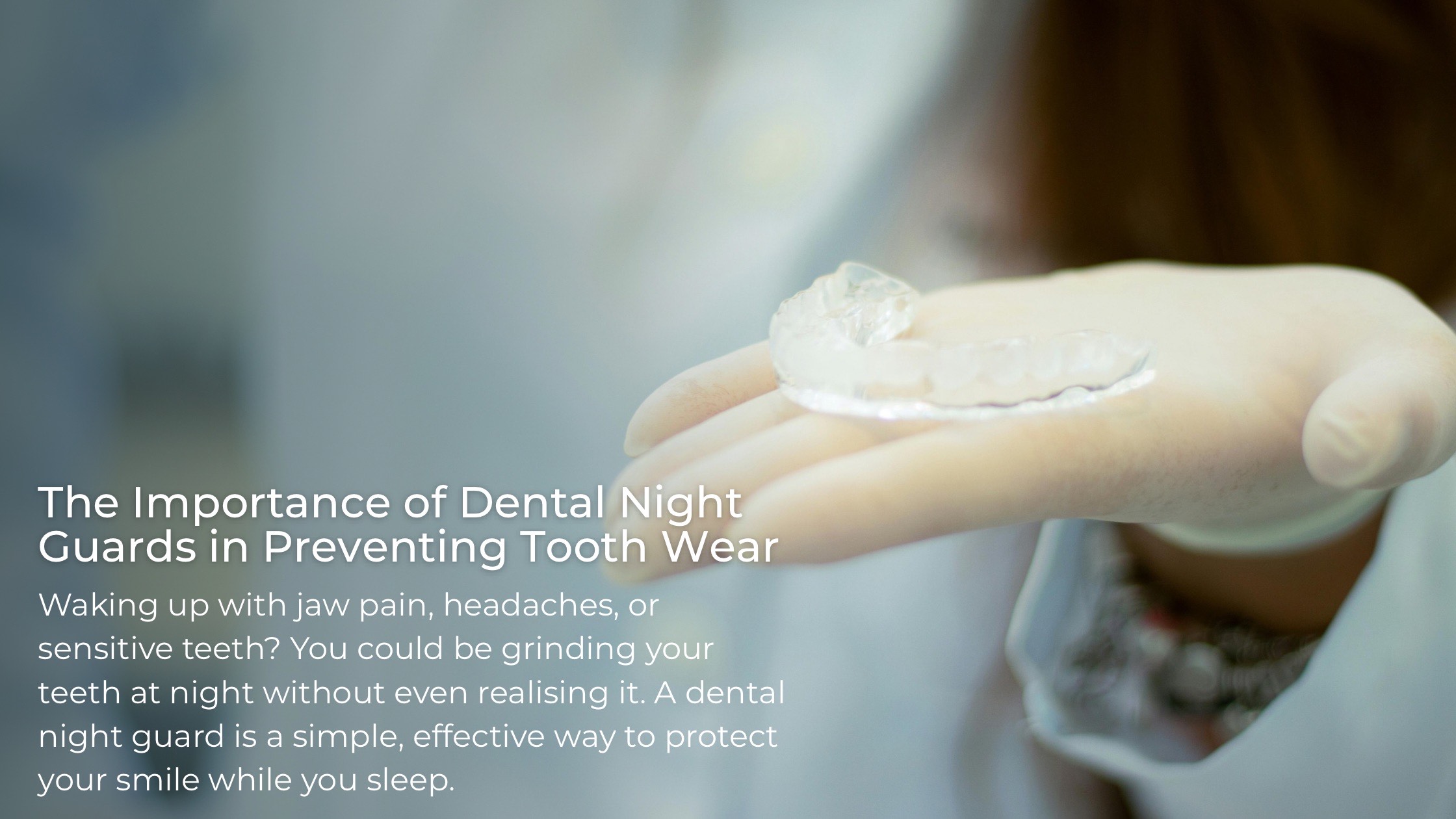
– To prevent tooth grinding, use a night guard and see your dentist or oral hygienist on a regular basis.
In more severe situations, fluoride varnishes, dental bonding, and even gum grafts may be required.
When to See a Dental Professional?
If your sensitivity persists for more than a week, worsens, or is limited to a single tooth, consult your oral hygienist or dentist. Persistent sensitivity can be indicative of:
- Gum disease (infection of the gums and supporting bone).
- Cavities (holes in the teeth caused by decay).
- Cracked teeth (tiny fractures exposing dentin).
Pay Attention to the Signs
Although tooth sensitivity may not seem like much, it may be an indication of a more serious problem, such as cavities or gum disease. Make an appointment with your oral care provider if your sensitivity continues or gets worse. To preserve your smile, take care of it early, practice proper oral hygiene, and make an appointment for routine dental examinations.
Related Posts