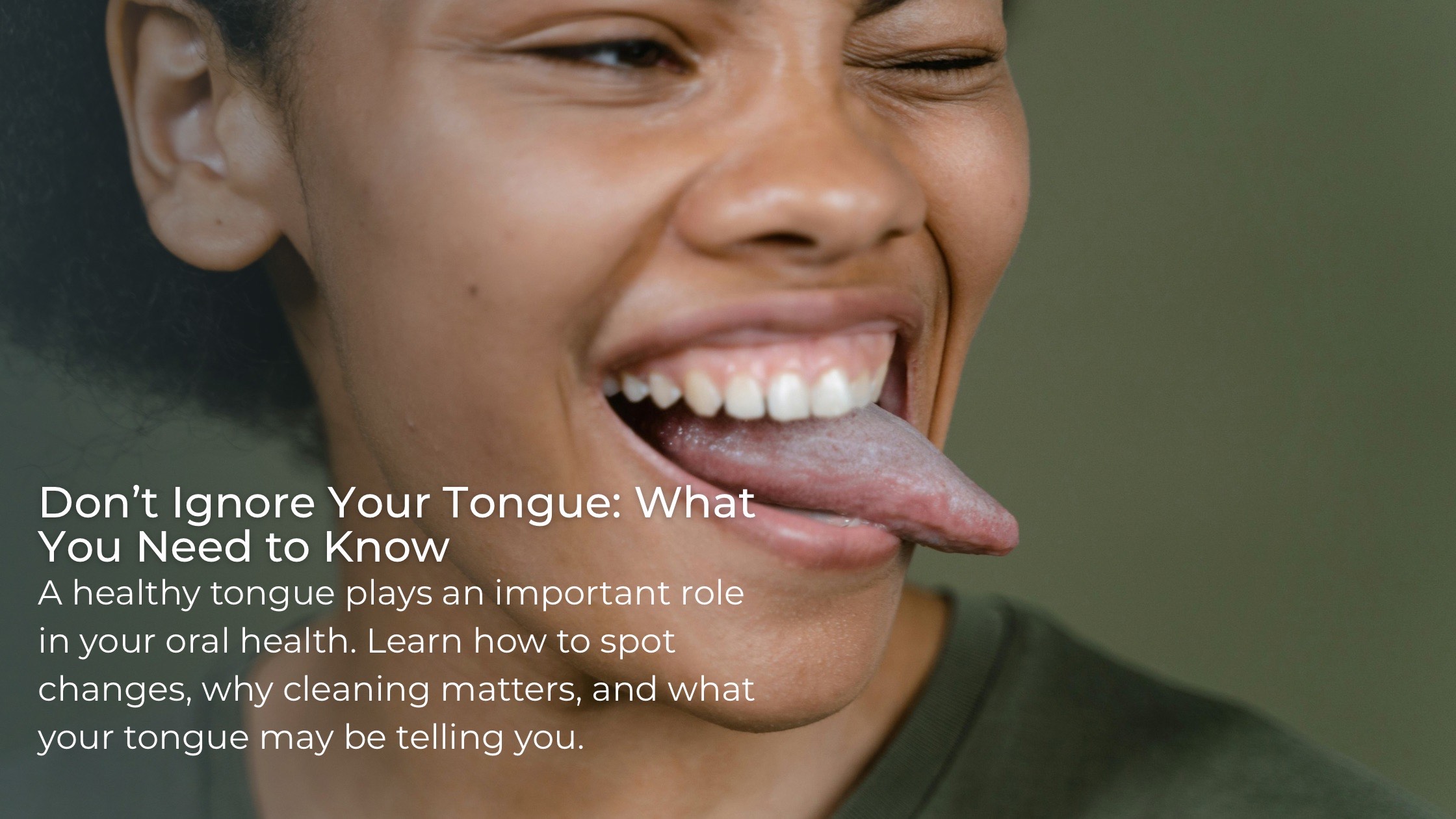
Your tongue is essential for speaking, tasting, and swallowing food. Beyond that, it is an…
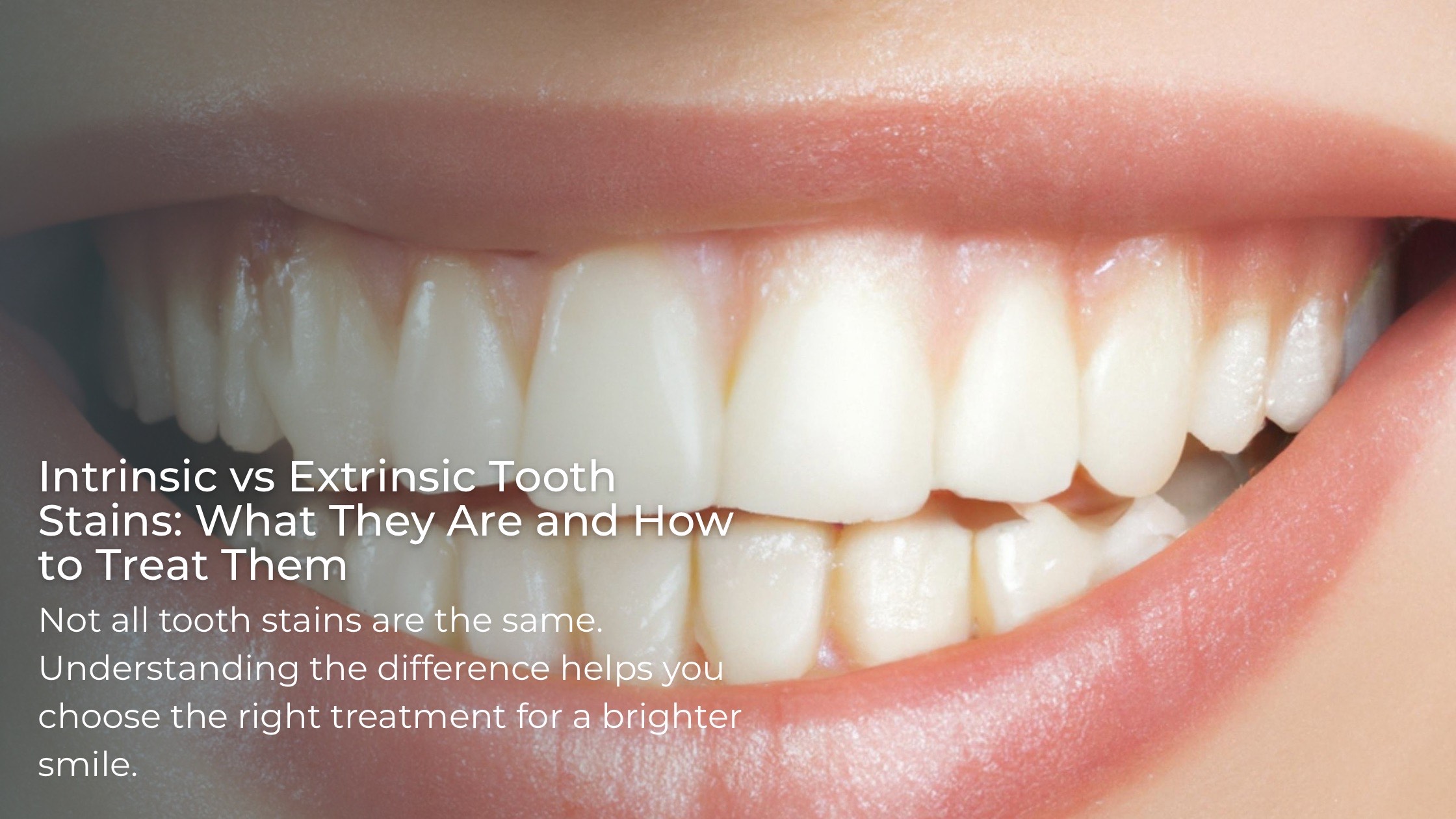
Many patients are surprised to hear that tooth discoloration is not caused by a single factor. In dentistry, stains are often classed as extrinsic or intrinsic, and understanding the difference is critical in selecting the appropriate treatment.
Extrinsic Stains: Surface-Level Discoloration
Extrinsic stains harm the tooth’s outer surface, known as enamel. These stains are frequently induced by lifestyle habits such as coffee, tea, red wine, smoking, and specific foods. Extrinsic stains, which sit on the surface, are frequently easier to remove with professional cleaning, polishing, or whitening treatments.
Intrinsic Stains: Discoloration from Within the Tooth
Intrinsic stains, on the other hand, originate within the tooth structure. These stains can result from tooth trauma, certain medications, excessive fluoride exposure during tooth development, or natural ageing. Because intrinsic stains are deeper, they are more difficult to treat and may not respond fully to typically whitening methods.
How Different Types of Stains Are Treated
Treatment is determined by the type and severity of staining. Professional scaling and polishing can greatly enhance the appearance of extrinsic stains. Whitening treatments may improve results by lifting surface discoloration.
Why a Dental Examination Matters Before Whitening
Depending on the origin and the patient’s expectations, alternative treatments for intrinsic can include veneers, crowns, or internal bleaching. Before beginning any whitening procedure, a dental examination is necessary because using the incorrect solution could result in inconsistent outcomes and increased sensitivity.
Preventing Tooth Stains with Good Oral Hygiene
It’s also critical to realize that both kinds of stains can be avoided with proper dental hygiene practices. A brighter smile can be maintained by brushing twice a day, flossing, avoiding staining foods and beverages, and going to the dentist on regular basis.
When to Seek Professional Advice for Discolored Teeth
A professional consultation can assist in identifying the cause of discoloration and direct you towards the safest and most efficient treatment option if you’re not happy with the color of your teeth.
Related Posts