Your tongue is essential for speaking, tasting, and swallowing food. Beyond that, it is an…
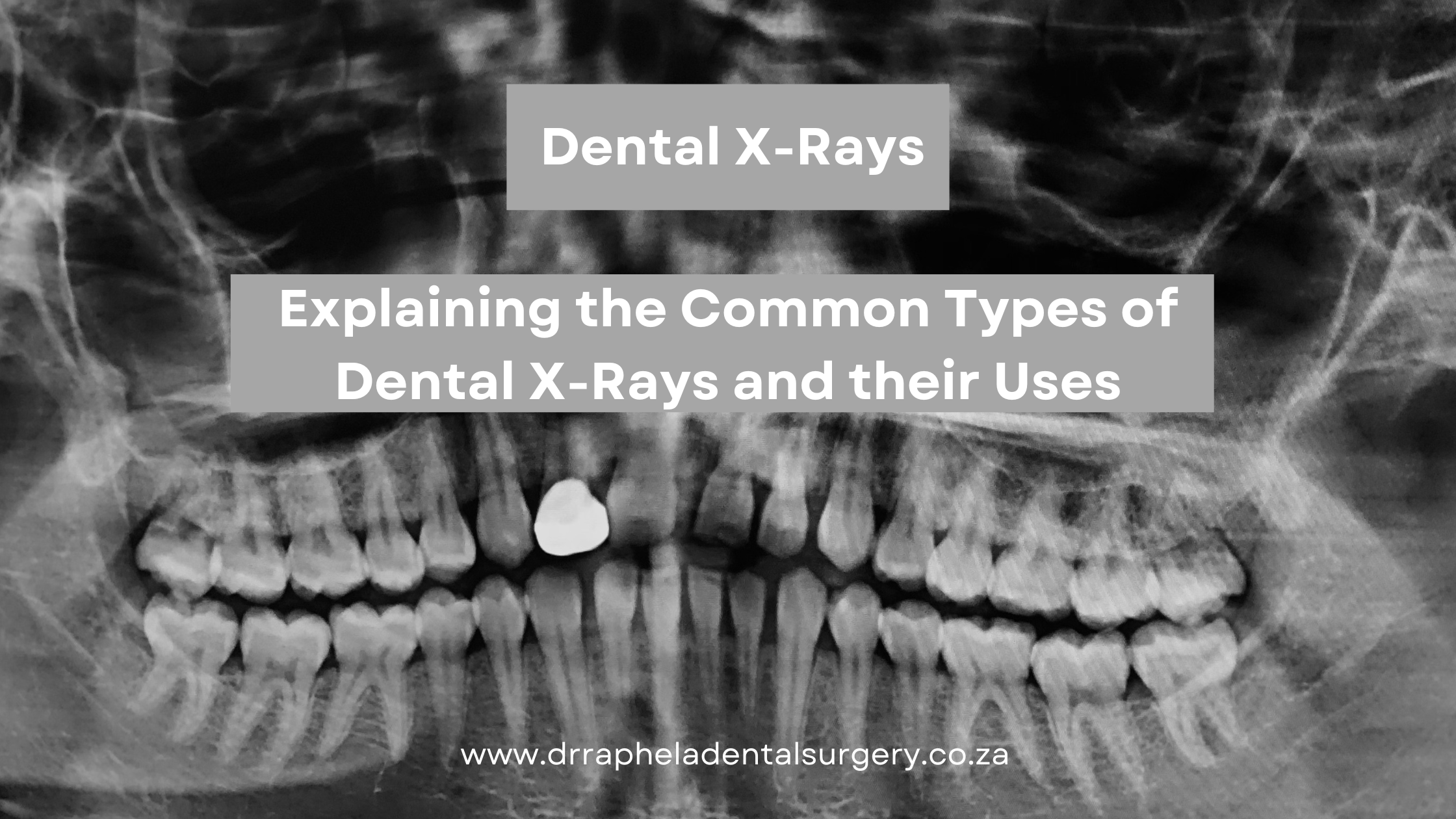
Dental x-rays (radiographs) are images taken by your dental hygienist or dentist to obtain a clear view and conduct examinations on your teeth and jawbone. X-rays reveal features that the human eye cannot see, such as sinuses, tooth roots, and nerves. These images are critical for diagnosis and treatment plans. They also aid in the early diagnosis and identification of asymptomatic dental diseases such as tooth decay and impacted teeth.
What is detectable with X-ray imaging?
– Cavities
– Periodontal bone loss
– Tooth infection
– Impacted teeth
– Unerupted teeth
On your initial visit to the dentist, you will need to have dental X-rays taken so that the clinician can completely comprehend what is going on in your mouth. The frequency of x-ray imaging varies by patient, as some patients are diagnosed with gum disease and may require more frequent x-ray imaging to monitor the periodontal bone level, and children require x-rays more frequently to monitor the eruption of permanent teeth, which helps to prevent future complications.
Type of Dental X-Rays and Their Functions
There are different types of dental X-rays, which show different views of the mouth and serve different diagnostic purposes. Most commonly used X-rays in dentistry include:
Intraoral X-rays are images obtained inside your mouth that provide detailed images of the tooth, its roots and the bone surrounding the tooth.
- Bitewings – these images show the upper and lower teeth in the same image. They are used to detect tooth decay and extent (if present).
- Periapicals – these images show individual teeth from the crown to root. They are used for the assessment of periodontal bone level, the root of the tooth and tooth decay.
Extraoral X-rays are images taken from outside the mouth that show the jaw, skull, and facial structures.
- Panoramic x-rays: provide a wide view of the mouth, encompassing both jaws, teeth, and the TMJ (temporomandibular joint). Used to assess overall dental health and identify unerupted teeth, impacted teeth, cysts, and tumors.
- Lateral Cephalometric: This x-ray shows the skeletal connection and the complete head/skull from a lateral perspective. Typically, it is utilized in treatment plans for those seeking orthodontic treatment.
Conclusion
Dental x-rays are an essential tool in modern dentistry, providing detailed information required for accurate diagnosis and appropriate treatment planning. Understanding the many forms of dental x-rays and their unique purposes allows patients to comprehend the significance of these imaging modalities. Regular dental checkups and x-rays are critical for maintaining oral health by detecting and treating possible problems early.
Contact Dynamic Digital Dental Clinic today to schedule your next dental appointment.
Related Posts