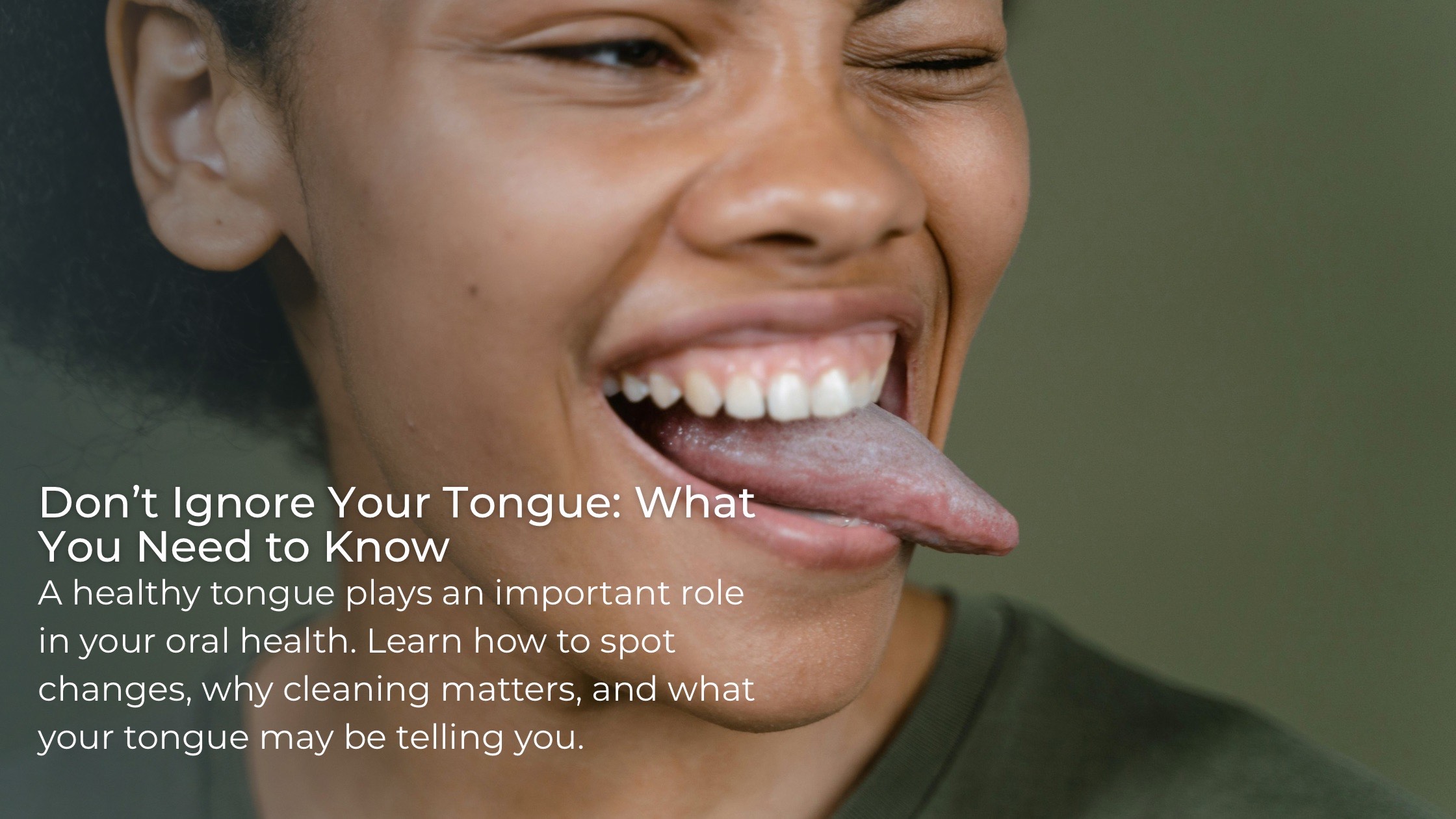
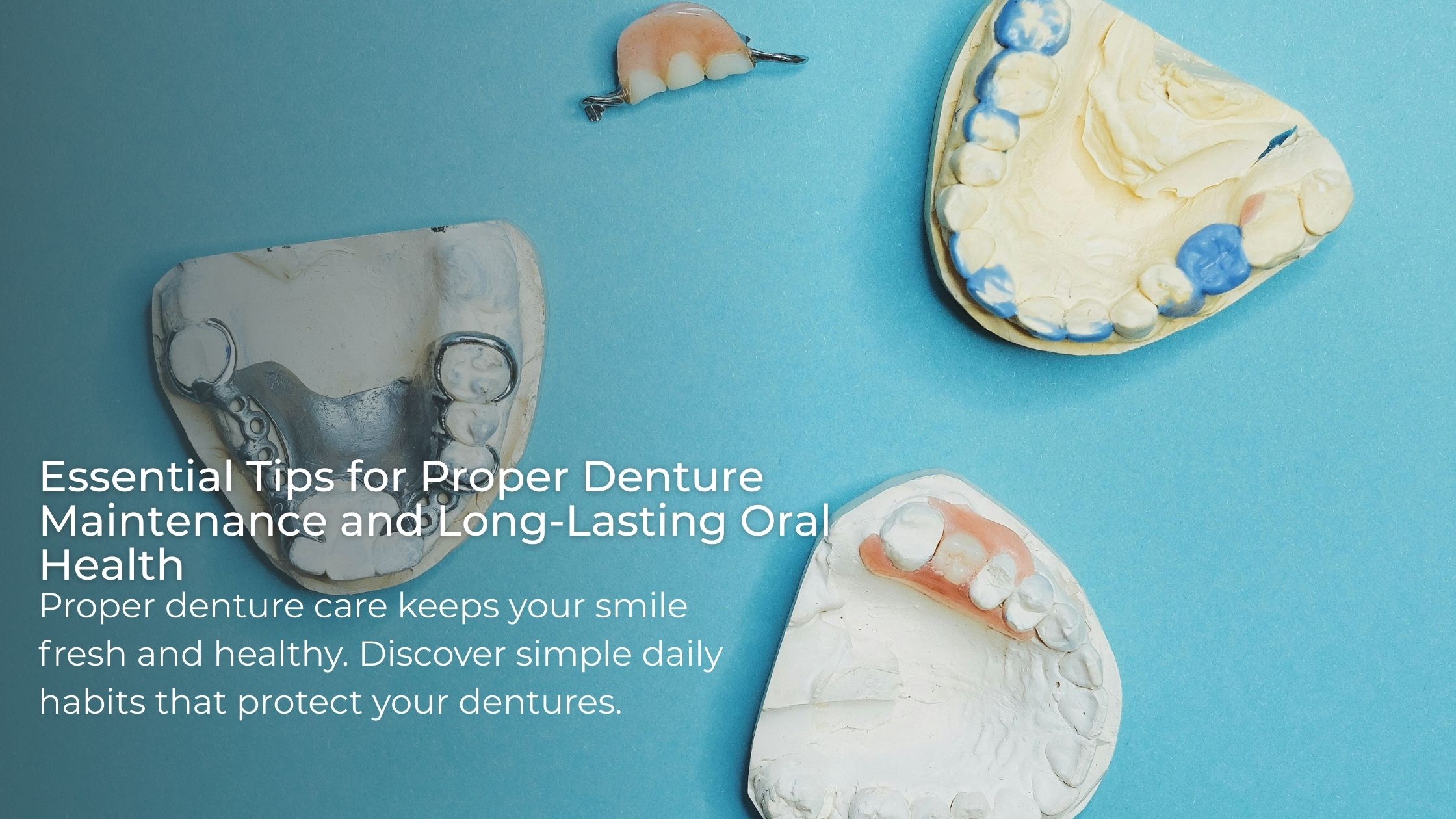
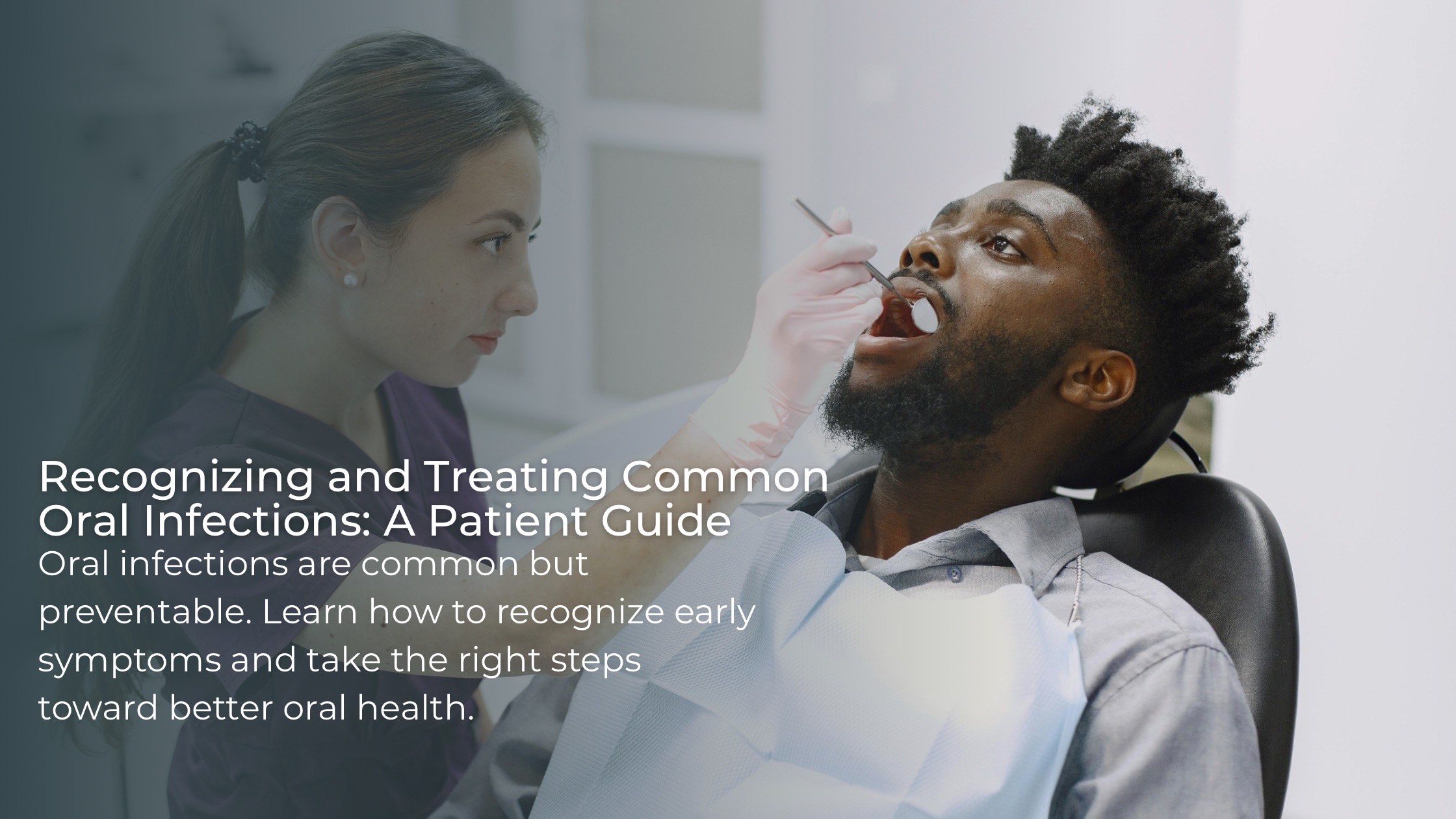
Your tongue is essential for speaking, tasting, and swallowing food. Beyond that, it is an…
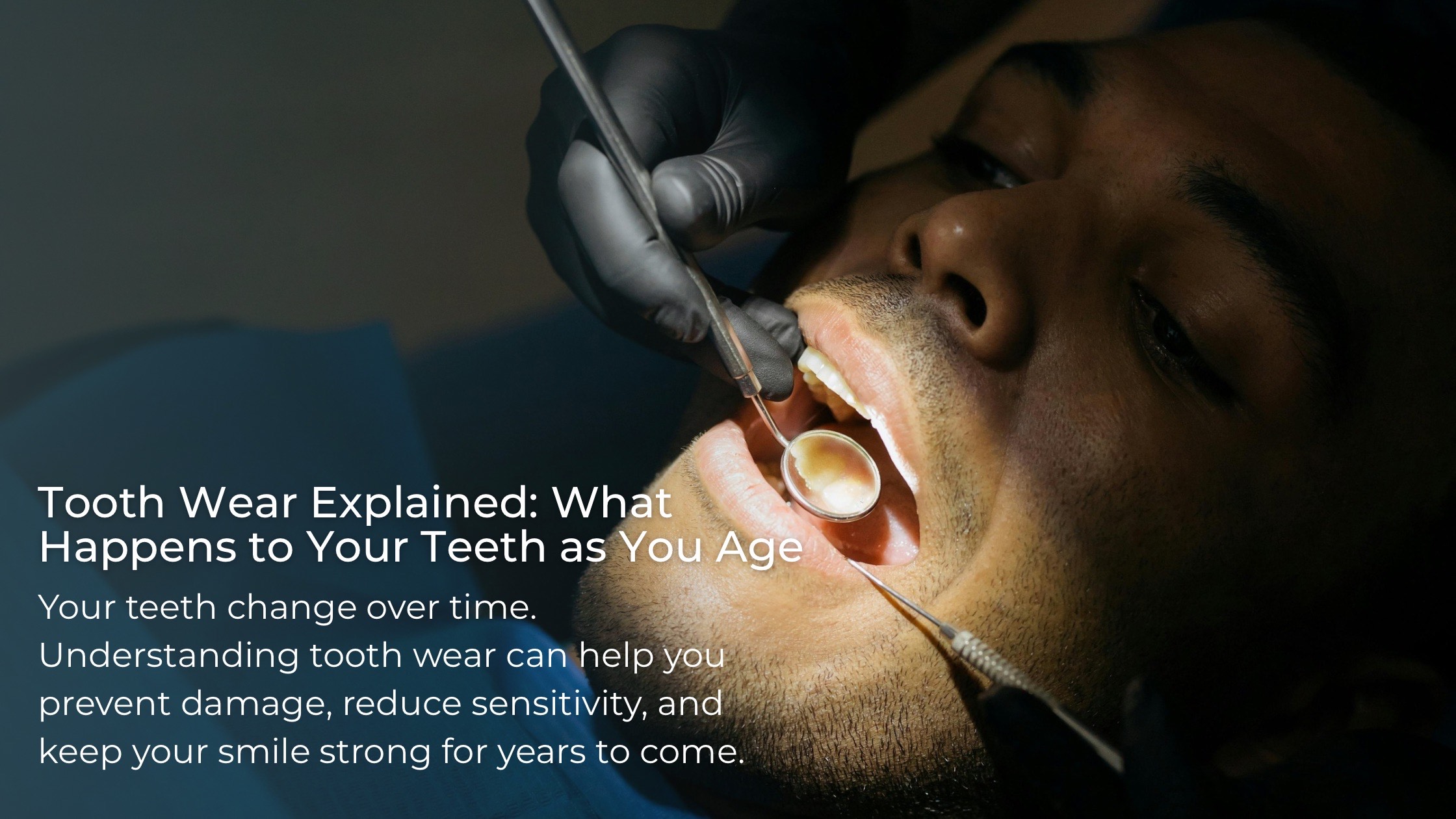
Tooth wear is a common occurrence. Everybody gradually loses some tooth structure as a result of daily use and exposure to different factors. These include biological alterations, chemical effects (such as acids), and mechanical pressures (such as chewing and brushing).
This wear is seen as a physiological, a normal aspect of aging when it occurs gradually. But when tooth structure deteriorates more than quickly anticipated, it becomes pathological, indicating that there is a problem that has to be addressed.
Protecting your oral health requires an understanding of how and why tooth wear occurs.
Understanding the Different Forms of Tooth Wear
Abrasion
Abrasion is the result of external mechanical forces. This is commonly due to behaviors, such as brushing too hard, using a hard-bristled toothbrush, even biting nails and chewing on items. Over time, this can erode away enamel and expose the softer dentine beneath, causing pain.
Attrition
Attrition is the normal wear that occurs when the teeth come into contact with one another. It happens while eating, but it’s more visible in people who grind or clench their teeth (bruxism), which is frequently associated with stress or insomnia. This sort of wear usually flattens the biting surfaces of the teeth.
Erosion
Acids dissolve the enamel, causing erosion. These acids can come from your food, such as citrus fruits, soft drinks, or alcohol, or from the stomach in situations of acid reflux or bulimia. Unlike other types of wear, erosion does not necessitate physical contact and can progressively weaken the enamel, increasing the likelihood of deterioration.
What Happens to Your Teeth Over Time
Tooth wear does not occur at the same pace for everyone. It depends on your age, habits, and general dental hygiene.
Childhood and Adolescence
In younger individuals, wear is frequently associated with brushing practices and diet. As permanent teeth erupt, they may become more sensitive to erosion, particularly if acidic foods and beverages are consumed on regular basis. This period is all about education: good brushing practices and a well-balanced diet can make a significant difference early on.
Adulthood
A variety of factors contribute to increased tooth wear in adulthood. Stress, diet, and lifestyle choices all have an impact. Grinding becomes more common, and acidic diets or some drugs might exacerbate erosion. Regular dental appointments throughout this stage are vital to detect early signs and prevent further damage.
Older adults and seniors
Tooth wear becomes more evident as one grows older. Teeth may appear shorter, and enamel thins, resulting in sensitivity, decay, and fractures. Gum recession can sometimes expose the roots, leaving teeth vulnerable. At this point, monitoring wear typically entails both preventive care and restorative treatments like crowns and veneers.
Simple Ways to Protect Your Teeth
Managing tooth wear is simple, but it requires consistency.
Improve your oral hygiene
Brush your teeth gently and with a soft-bristled toothbrush. Avoid vigorous brushing and never use your teeth as tools.
Be aware of your diet
Wherever feasible, limit your intake of acidic meals and beverages. Rinse your mouth with water after eating them and use a straw to avoid direct contact with your teeth.
Manage stress
Stress management can help you stop grinding your teeth. A personalized nightguard can also help protect your teeth while you sleep.
Visit your dentist regularly
Routine checkups are essential. Modern dentistry uses computerized intraoral scans to track changes over time, assisting in the early detection of even minor wear. Preventive treatments, like fluoride, fissure sealants, and protective restorations can help strengthen and protect your teeth.
Keep Your Smile Strong at Every Age
Tooth wear may be unavoidable, but extreme damage is not. With the appropriate practices and frequent professional care, you may slow the progression and keep your teeth healthy for years to come.
Maintain a proactive approach. Take care of your teeth now, and they will care for you later. Schedule your next check-up today.
Related Posts