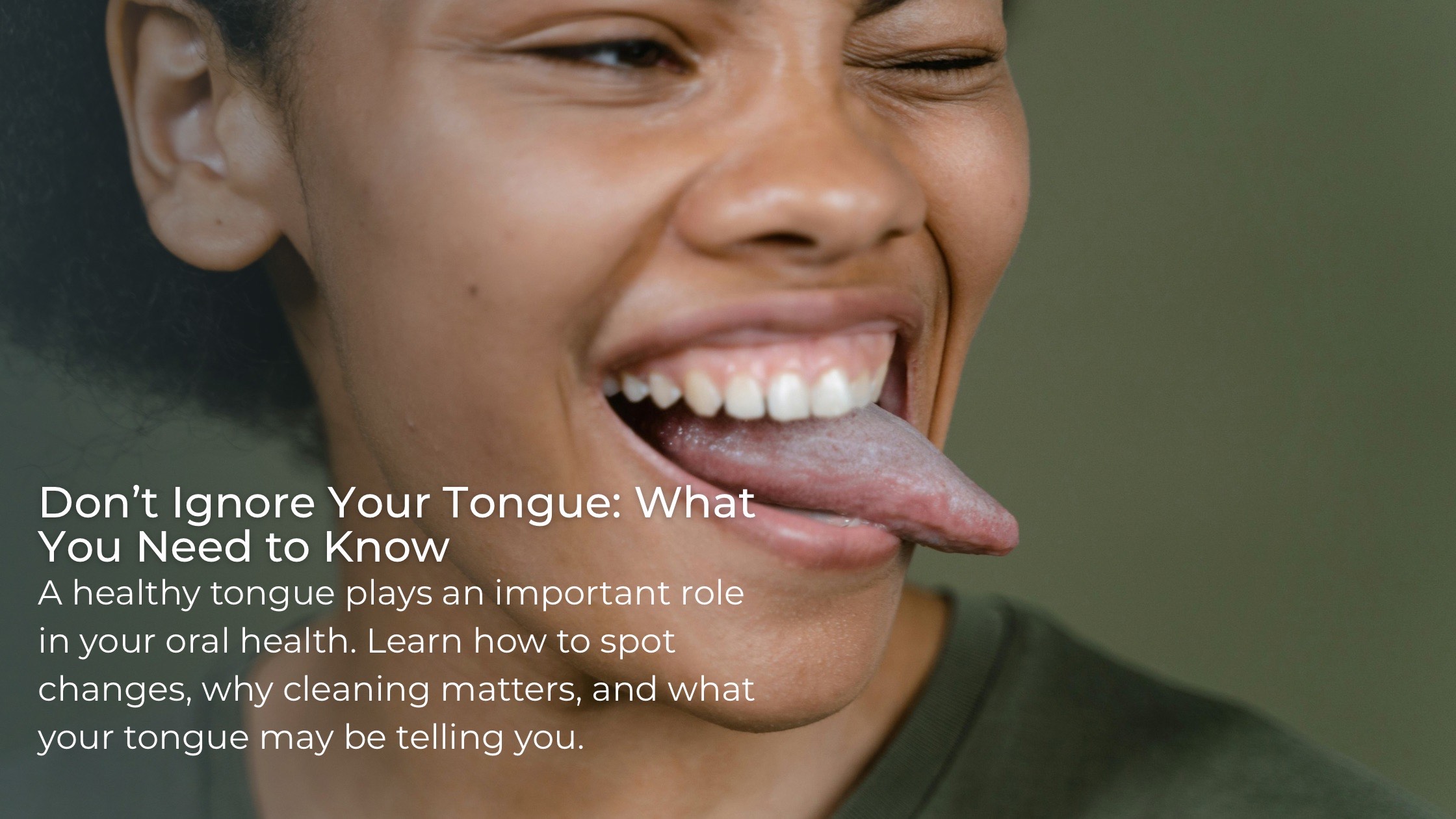
Your tongue is essential for speaking, tasting, and swallowing food. Beyond that, it is an…
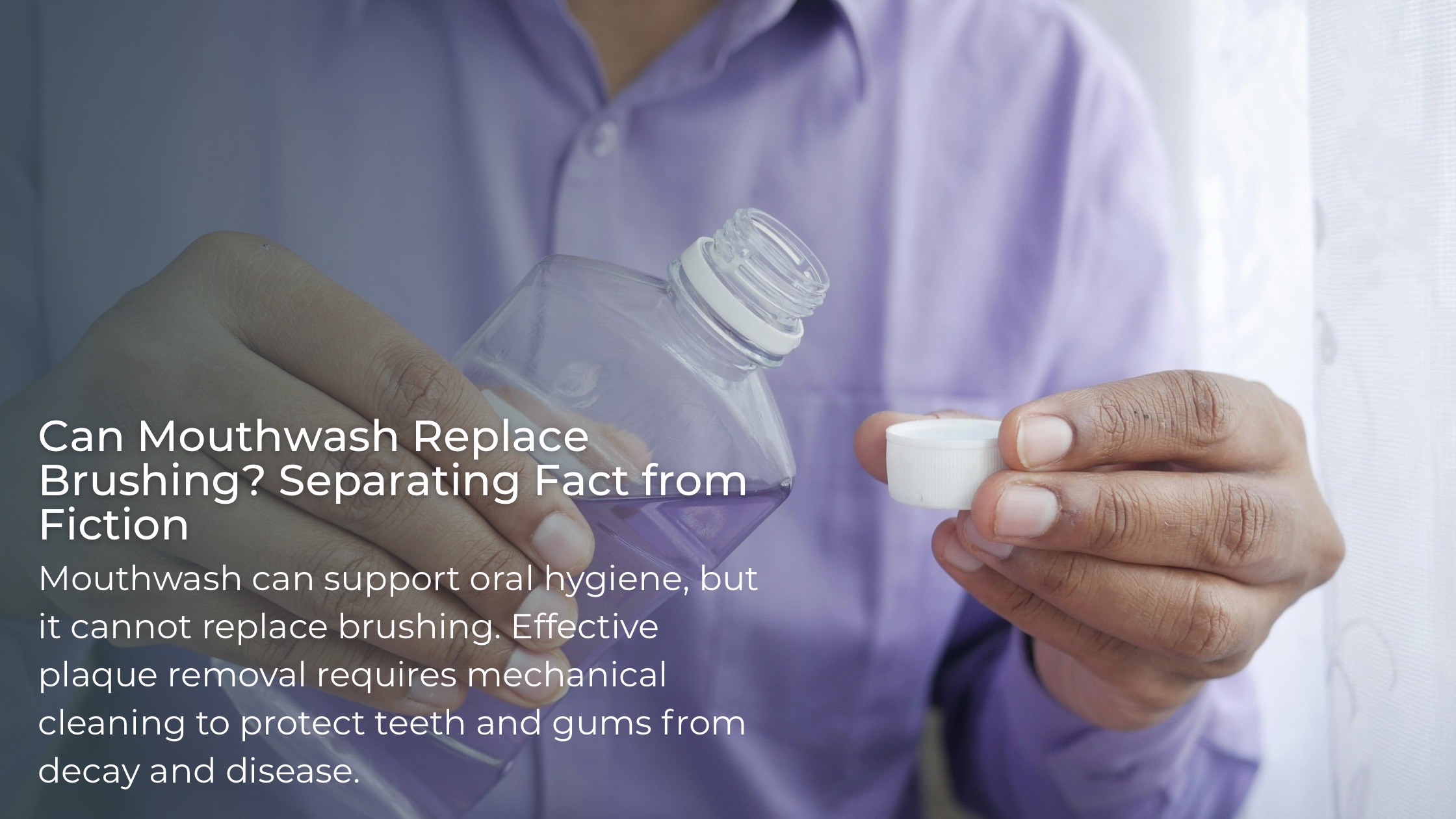
Mouthwash is frequently regarded as a faster alternative to brushing, particularly for refreshing breath or maintaining oral hygiene when time is limited. However, this belief is incorrect. While mouthwash can support oral health, it cannot replace brushing.
Effective oral hygiene depends on the physical elimination of plaque, which mouthwash alone cannot achieve.
The Primary Role of Toothbrushing
Toothbrushing provides mechanical plaque removal, which is necessary for maintaining good oral health.
Brushing effectively removes:
- Dental plaque (bacterial biofilm)
- Food deposits
- Bacteria along the gingival margin
Plaque that has not been mechanically removed remains attached to tooth surfaces and contributes to the development of dental caries and periodontal disease.
The Function of Mouthwash
Mouthwash works by chemical action rather than mechanical cleaning. Depending on its formulation, it may:
- Reduce bacterial load temporarily
- Deliver fluoride for enamel remineralization
- Aid in managing gingival inflammation
- Improve breath freshness
However, mouthwash does not remove plaque and should not be relied upon as a sole method of oral hygiene.
Why Mechanical Plaque Removal Is Essential
Plaque is a sticky biofilm that adheres firmly to tooth surfaces. Once established, it cannot be removed simply by rinsing.
If plaque is not removed daily:
- Acid production increases, raising cavity risk
- Gingival inflammation may develop
- Plaque can mineralize into calculus
- Periodontal disease progression may occur
Mechanical disruption through brushing and interdental cleaning is therefore crucial.
Limitations of Mouthwash Use
Mouthwash has a short time with oral surfaces and cannot effectively penetrate mature plaque. In addition, excessive use of mouthwash may:
- Mask early gum disease
- Contribute to dry mouth (particularly with alcohol-based products)
- Create a false sense of adequate oral hygiene
Fresh breath does not necessarily indicate a healthy oral environment.
Appropriate Use of Mouthwash
When used correctly, mouthwash can be beneficial as an adjunct to brushing and flossing.
Mouthwash may be recommended:
- After brushing to enhance fluoride exposure
- For patients undergoing orthodontic treatment
- During short-term management of gingival inflammation
- For patients with dry mouth (alcohol-free formulations)
- As prescribed by dental by a dental professional
Conclusion
Toothbrushing is an essential part of oral hygiene and cannot be substituted. Mouthwash should be considered a supplementary measure not a replacement.
Optimal oral health is achieved through consistent, evidence-based practices rather than convenience-driven alternatives.
Related Posts